




Do You Need a Motorcycle License to Ride a 2026 Can-Am Ryker around Pittsburg, KS?
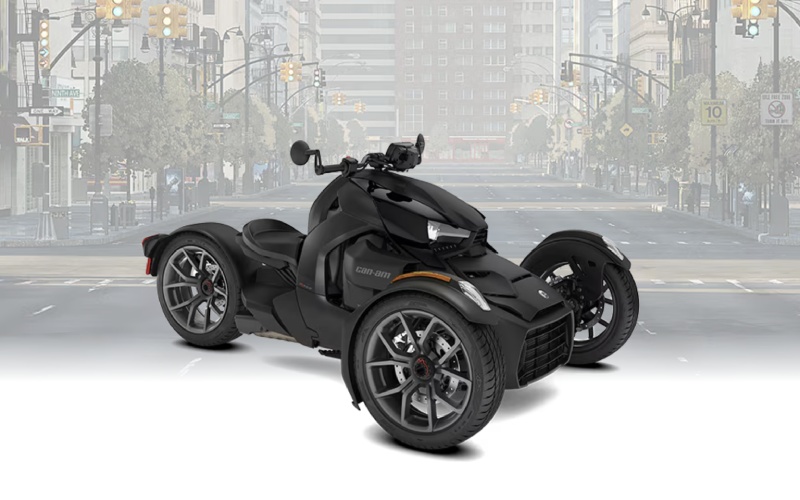
Jay Hatfield Motorsports of Frontenac - Do You Need a Motorcycle License to Ride a 2026 Can-Am Ryker around Pittsburg, KS?
Understanding licensing and training is essential before you enjoy the confident, three-wheel stance of a 2026 Can-Am Ryker on public roads. Because regulations can evolve, it pays to verify current state requirements and choose a smart path to on-road readiness that supports your safety and riding goals around Pittsburg.
In Kansas, on-road motorized cycles typically require a motorcycle endorsement. Some states distinguish three-wheel vehicles with a specific endorsement or restriction, while others apply a standard motorcycle endorsement to all configurations. Your best step is to confirm current guidance with the Kansas Department of Revenue (Division of Vehicles) or a local licensing office, then pair that with rider education options that emphasize real-world skills—braking, cornering, hazard awareness, and low-speed control on a three-wheel platform.
- Verify current requirements: Check Kansas Department of Revenue resources for endorsement specifics related to three-wheel vehicles.
- Choose rider education: Select a course that includes on-cycle practice, especially a curriculum designed for three-wheel machines.
- Prepare key documents: Ensure identification, vision requirements, and any necessary learner permits are in order.
- Practice roadcraft: Focus on low-speed maneuvers, braking distances, and scanning techniques for city and highway traffic.
- Complete endorsement steps: Schedule and pass required written and skills evaluations per Kansas guidance.
Training designed around three-wheel dynamics can shorten your learning curve. The Ryker’s Vehicle Stability System with ABS and Traction Control supports good habits, but structured practice helps you read traffic, judge gaps, and ride more smoothly from day one. If you are planning to commute during rush hour or explore back roads on weekends, real-world drills like quick stops, precise steering, and controlled U-turns will pay dividends in confidence and control.
As you evaluate courses, look for programs that blend classroom fundamentals with practical, on-cycle coaching. Ask whether the curriculum addresses three-wheel braking technique, corner entry speeds, and lane positioning specific to wider track widths. When combined with the Ryker’s low seat height, reverse gear, and twist-and-go CVT, the right instruction helps you focus less on mechanics and more on observing traffic and setting safe, predictable lines through turns.
Frequently Asked Questions:
Is a three-wheel specific course required in Kansas?
Course requirements can vary. While a motorcycle endorsement is generally needed for on-road use, some states accept standard two-wheel courses, and others recognize or recommend three-wheel specific training. Check the current Kansas guidance and ask training providers if their curriculum is tailored for three-wheel control.
Can I ride a Ryker on highways once endorsed?
With the appropriate endorsement and compliance with roadway rules, three-wheel motorcycles are permitted on highways. Review speed limits, merging etiquette, and recommended following distances. The Ryker’s stability and predictable acceleration support confident highway use when you apply sound lane discipline and scanning habits.
What gear should new Ryker riders prioritize?
Start with a DOT-compliant full-face or modular helmet, abrasion-resistant jacket and gloves, over-the-ankle boots, and riding pants. High-visibility elements help in urban settings. Gear upgrades like heated gloves or layers can extend your season and make training sessions more comfortable.
Where can I get model-specific advice locally?
For platform tips, accessory guidance, and support aligning your setup with commuting or touring plans, speak with the team at Jay Hatfield Motorsports of Frontenac, serving Pittsburg, Parsons, and Chanute. We can help you understand how the Ryker’s UFit System, Max Mount, and available technology features integrate with real-world riding scenarios and training timelines.